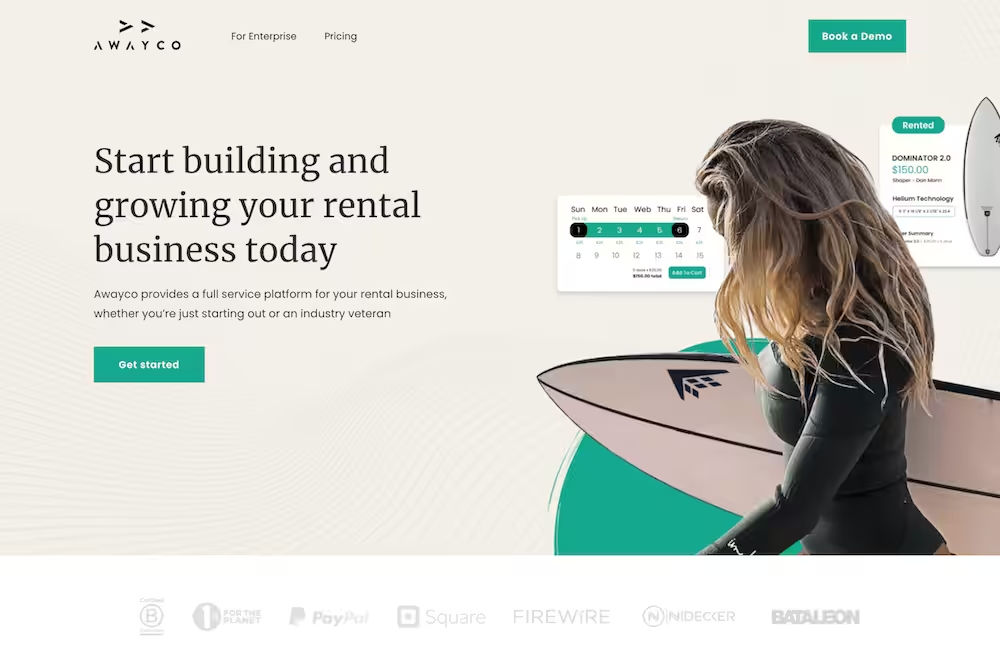
If you want your website to turn visitors into customers, you need a homepage copy that speaks clearly and grabs attention.
Many business owners struggle with this, and as a result, visitors leave without taking action, costing time, leads, and sales.
In this blog post, you’ll learn 15 practical tips for writing a high-converting website homepage copy.
You’ll discover how to…
- Craft strong headlines
- Focus on visitor benefits
- Use proof to build trust
- Guide people to take action
- And more
By the end, you’ll know exactly how to write homepage copy that keeps visitors engaged and turns them into loyal customers.
Let’s get into it…
In this article
Tip 1: Lead with one clear message
When someone opens your homepage, they should understand what you do in the first few seconds. Don’t make them think or guess. Say it clearly.
For example, instead of saying “We build digital solutions,” say “We design websites for small businesses that want more customers.”
One clear message helps people feel calm and confident. When people are confused, they leave. Your homepage should answer two questions fast:
What do you do, and who is it for?
If you can’t explain it in one simple sentence, the visitor will move on to another website.
Tip 2: Focus on the visitor, not the brand

Most visitors don’t care about your company story at first. They care about their problem. Your homepage should talk about what they are struggling with and how you can help.
For example, instead of saying “We started in 2019,” say “Struggling to get customers from your website?” This makes the visitor feel seen and understood.
When people feel like a website understands them, they stay longer.
You can talk about your brand later. First, show them you know their pain and you have a solution for it.
Tip 3: Use a strong headline
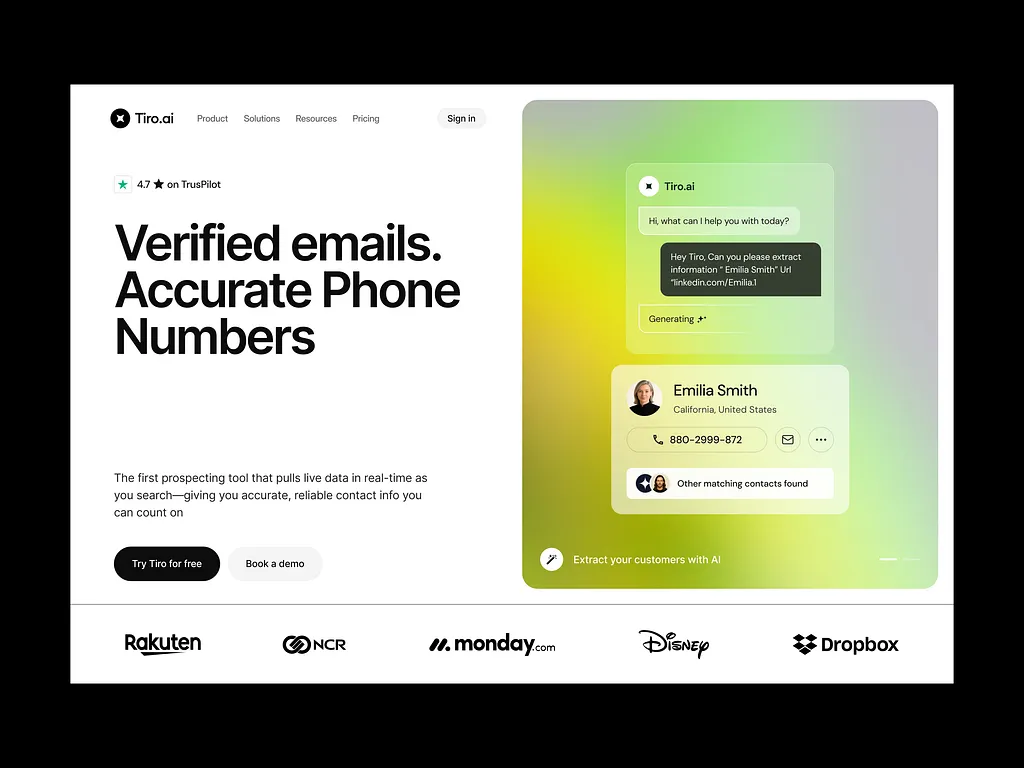
Your headline is the first thing people read. It should clearly show the main value you offer.
A good headline tells people how their life or business will improve. Keep it short and clear.
For example, “Get More Customers From Your Website” is better than “Innovative Digital Experiences.”
A strong headline makes people want to read more. If the headline is weak or confusing, people won’t scroll.
Think of it like a shop sign. If the sign is clear, people walk in. If not, they walk away.
Tip 4: Add a clear subheadline
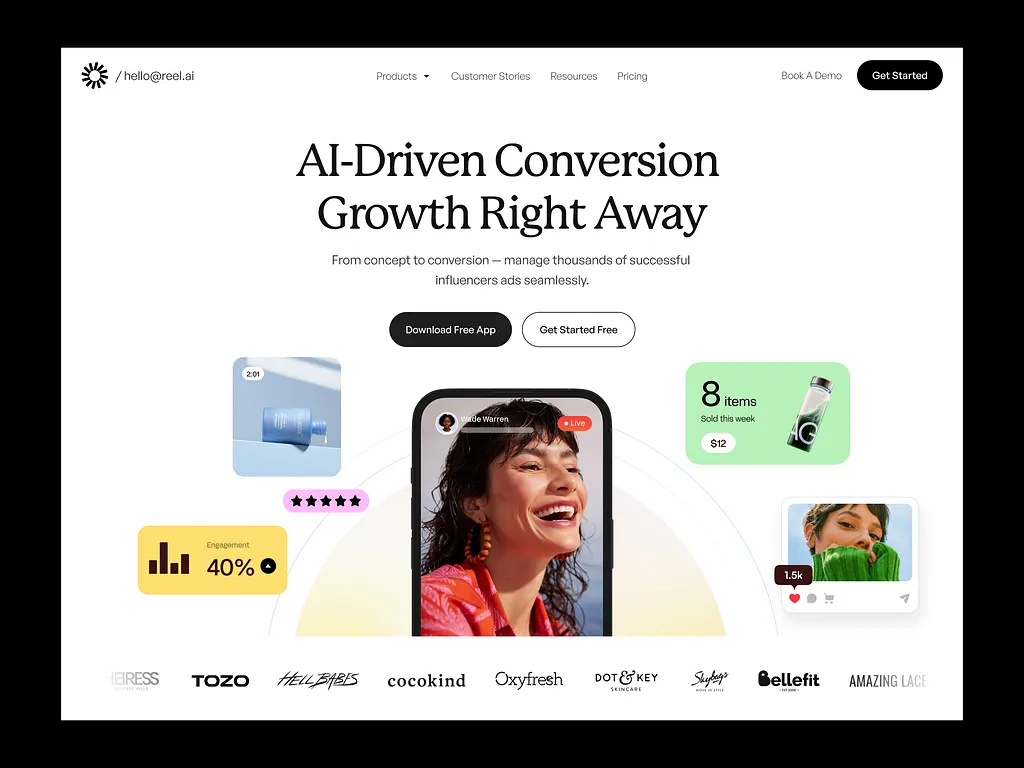
The subheadline supports the main headline. It explains how you deliver the promise in simple terms. If the headline grabs attention, the subheadline gives clarity.
For example, if your headline says “Turn Visitors Into Customers,” your subheadline can say “We design clear, fast websites that help people take action.”
This removes doubt. It helps visitors understand what to expect.
A good subheadline answers questions like “How does this work?” or “Is this for me?” without using long sentences or big words.
Tip 5: Highlight the main benefit, not features
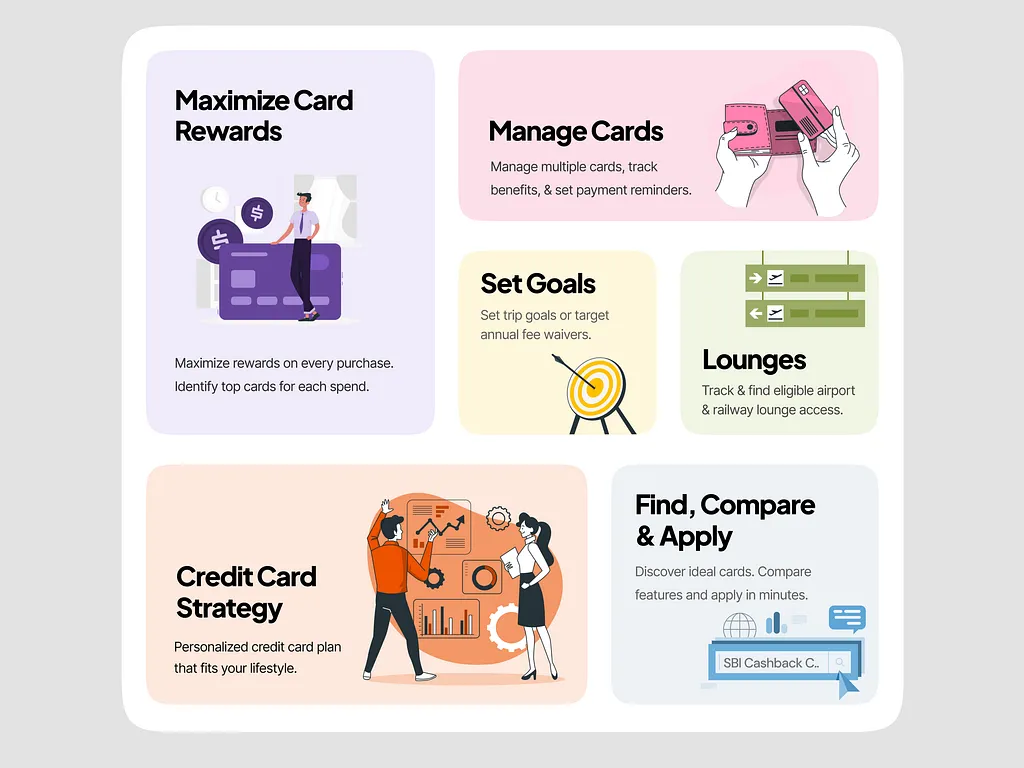
People don’t buy features. They buy results.
Instead of listing what your product has, explain what it does for them.
For example, don’t say “Our app has real-time tracking.” Say “You can see where your money goes at any time.”
Benefits show outcomes. Features explain tools. Outcomes are what matter to visitors.
When people understand how your product will help them save time, make money, or reduce stress, they are more likely to take action. Always focus on the result first.
Tip 6: Use simple, everyday words
Simple words are easier to understand and faster to read.
You don’t need big or fancy words to sound smart. In fact, simple words convert better.
Write the way you speak to a friend. For example, say “help” instead of “assist,” and “use” instead of “utilize.”
Simple language makes your message clear to everyone, including people who are in a hurry.
When visitors understand your homepage message without effort, they stay longer.
Clear writing builds trust. Confusing writing pushes people away.
Tip 7: Show proof early
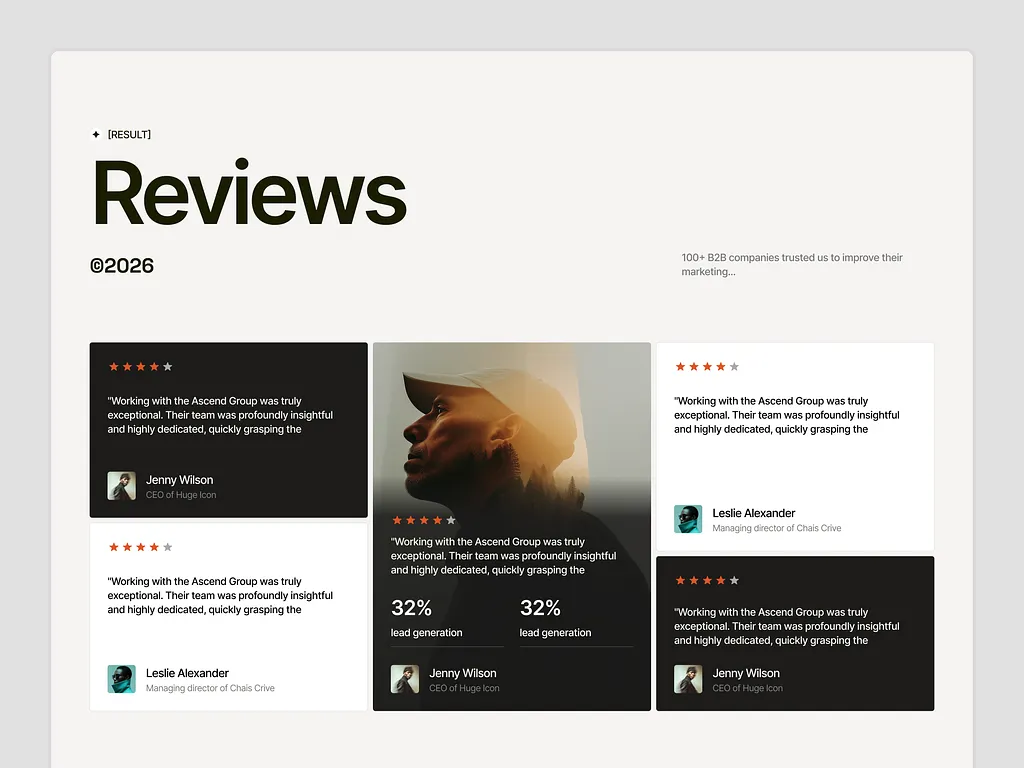
People don’t trust promises easily. They want proof. Showing proof early helps visitors believe what you say.
This proof can be customer reviews, logos of companies you worked with, numbers, or results.
For example, “Trusted by 500+ businesses” or a short testimonial near the top of the page.
Proof reduces fear. It tells visitors that others have used your service and got results.
When people see proof, they feel safer taking the next step. Without proof, many visitors will leave.
Tip 8: Guide readers with clear sections
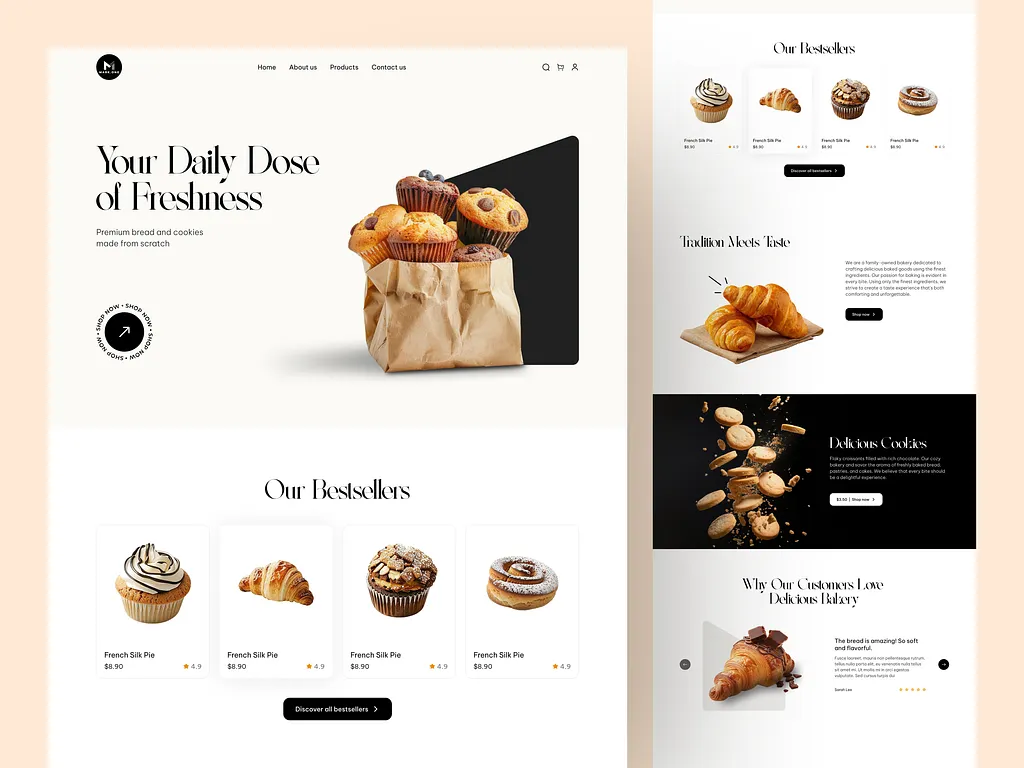
A good homepage is easy to scan.
Use short paragraphs, bullet points, and clear headings. This helps people find what they need fast.
Most visitors don’t read every word. They scan. Clear sections guide their eyes down the page.
Each section should focus on one idea. For example, one section for the problem, one for the solution, one for proof, and one for action.
When your page feels organized and easy to follow, people feel more comfortable staying and reading more.
Tip 9: Use one main call to action
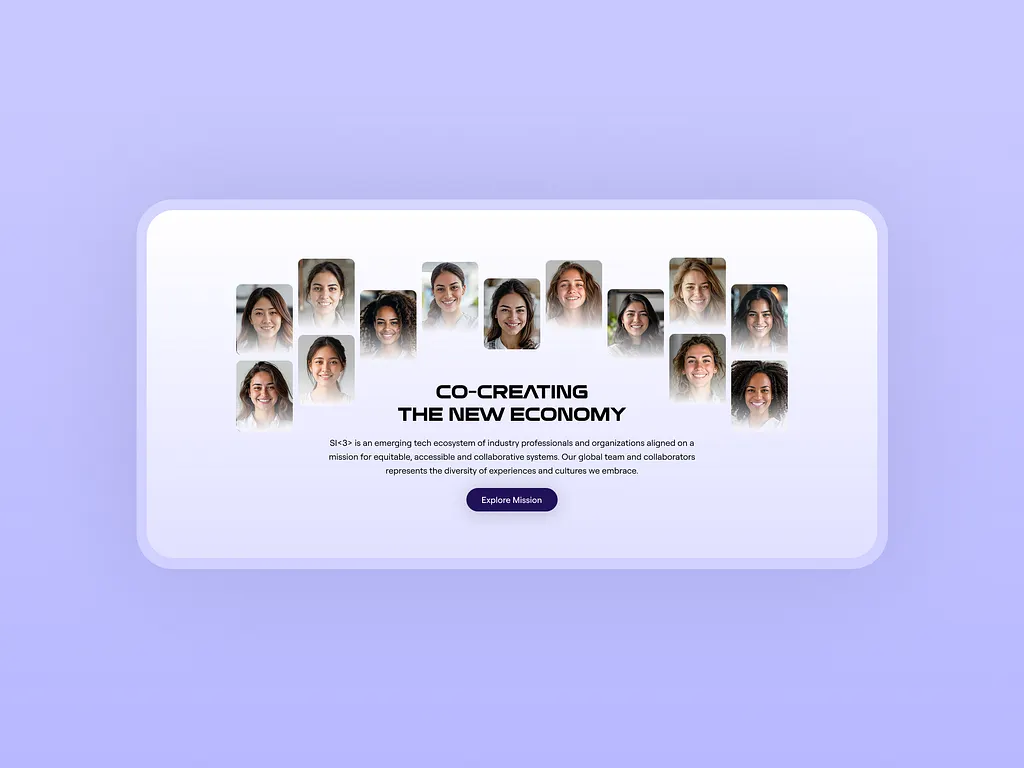
Your homepage should guide visitors to take one main action. Don’t confuse them with too many choices.
A call to action tells people what to do next, like “Book a call” or “Get started.” If you have many buttons with different actions, visitors may do nothing.
One clear action works better. Place it where people can see it easily. Use simple words.
The goal is to make the next step clear and easy.
When people know what to do, they are more likely to do it.
Tip 10: Remove distractions
Too many links, pop-ups, or messages can confuse visitors.
Distractions pull attention away from the main goal of the page.
Your homepage should guide visitors in one direction, not many. Remove anything that does not support your main message or action.
For example, too many menu items or ads can cause people to leave. A clean page helps people focus.
When there is less noise, your message becomes stronger.
Simple pages convert better because visitors are not overwhelmed or distracted.
Tip 11: Match the copy to search intent
People come to your website for a reason.
Maybe they searched for “website design for small businesses.” Your homepage should match that expectation. If the content feels different from what they searched for, they will leave.
Use words and messages that align with their intent. Show them they are in the right place. This builds trust quickly.
When visitors see what they expected, they stay longer.
Matching search intent helps your homepage feel relevant and useful instead of confusing or off-topic.
Tip 12: Address objections early
Visitors often have doubts. They may wonder about price, time, quality, or trust. Your homepage should answer these questions before they leave.
For example, you can say “No long-term contract” or “Get results in 30 days.” This reduces fear.
When objections are not addressed, people hesitate. When doubts are cleared early, people feel more confident.
You don’t need long explanations. Simple answers work best.
Addressing objections shows honesty and builds trust, which helps visitors move closer to taking action.
Tip 13: Use clear visuals with the copy
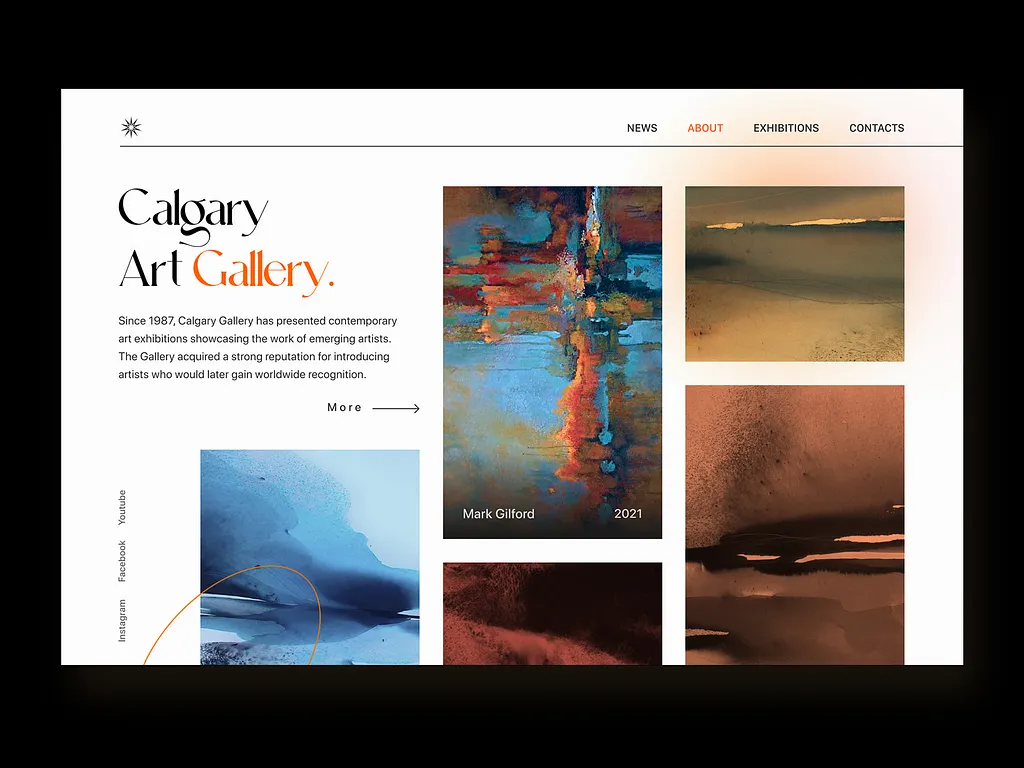
Images should support your homepage message, not distract from it.
Use visuals that explain or show your product or service in action.
For example, screenshots, simple illustrations, or real photos. Avoid random stock photos that add no meaning.
Good visuals help people understand faster. They also make the page more interesting. But too many images can be distracting. Keep visuals clean and focused.
When visuals and words work together, the message becomes clearer and stronger, making it easier for visitors to understand and trust you.
Tip 14: Write for scanners, not readers
Most people don’t read word by word. They scan the page. Write your copy to help scanners.
Use short sentences, bold key points, and clear headings. Important ideas should stand out. This helps visitors get the message even if they don’t read everything.
If your page is one long block of text, people will leave. Make it easy for the eye to move.
When visitors can quickly understand your value, they are more likely to stay and take action.
Tip 15: Test and improve often
No homepage is perfect from the start. You should test and improve it over time.
Try different headlines, buttons, or sections and see what works better. Small changes can lead to better results. Use real data, not guesses.
For example, test two headlines and track which one gets more clicks.
Testing helps you understand what your visitors like. The more you improve, the better your homepage will perform.
High-converting pages are built through testing, learning, and improving over time.
Wrapping up
A high-converting homepage is not about fancy words or long stories. It is about being clear, helpful, and easy to understand.
When your message is clear, people stay. When people stay, they take action.
If you run an agency and you need a homepage that actually brings leads and sales for your clients, Block Agency can help.
We design websites and write homepage copy for agencies as white-label services.
You focus on your clients. We handle the website and copy that convert.
Talk to us here: hey@blockagency.co
Frequently asked questions
How long should homepage copy be?
Homepage copy should be short and scannable. Use headlines, subheadlines, bullets, and short paragraphs. Avoid long blocks of text. Visitors usually skim pages, so clear and easy-to-read copy converts better than long, wordy sections.
How often should homepage copy be updated?
Homepage copy should be updated regularly to reflect new offers, results, or visitor needs. Testing different headlines, CTAs, and sections helps improve conversions. Regular updates keep the page relevant and more effective at turning visitors into customers.
Can homepage copy help with SEO?
Yes. Clear, well-written homepage copy helps search engines understand what your website is about. Use relevant keywords naturally in headlines and text. This improves chances of showing up in search results while still keeping the copy easy to read for visitors.