If you’ve ever wondered how to make your landing pages actually convert, you’re in the right place.
In this blog post, you’ll discover key landing page statistics that show what works, what doesn’t, and how small changes can make a big difference.
Ignoring these numbers can cost you leads, sign-ups, and sales.
By reading this blog post…
- You’ll discover which landing page elements boost conversions
- Which mistakes kill results
- And how businesses are using landing pages to get more leads
From video use to form design and page length, these stats give a clear picture of what your landing pages should do.
After this, you’ll know exactly what to focus on to turn visitors into customers.
Let’s get into it…
In this article
The average landing page conversion rate is 6.6%
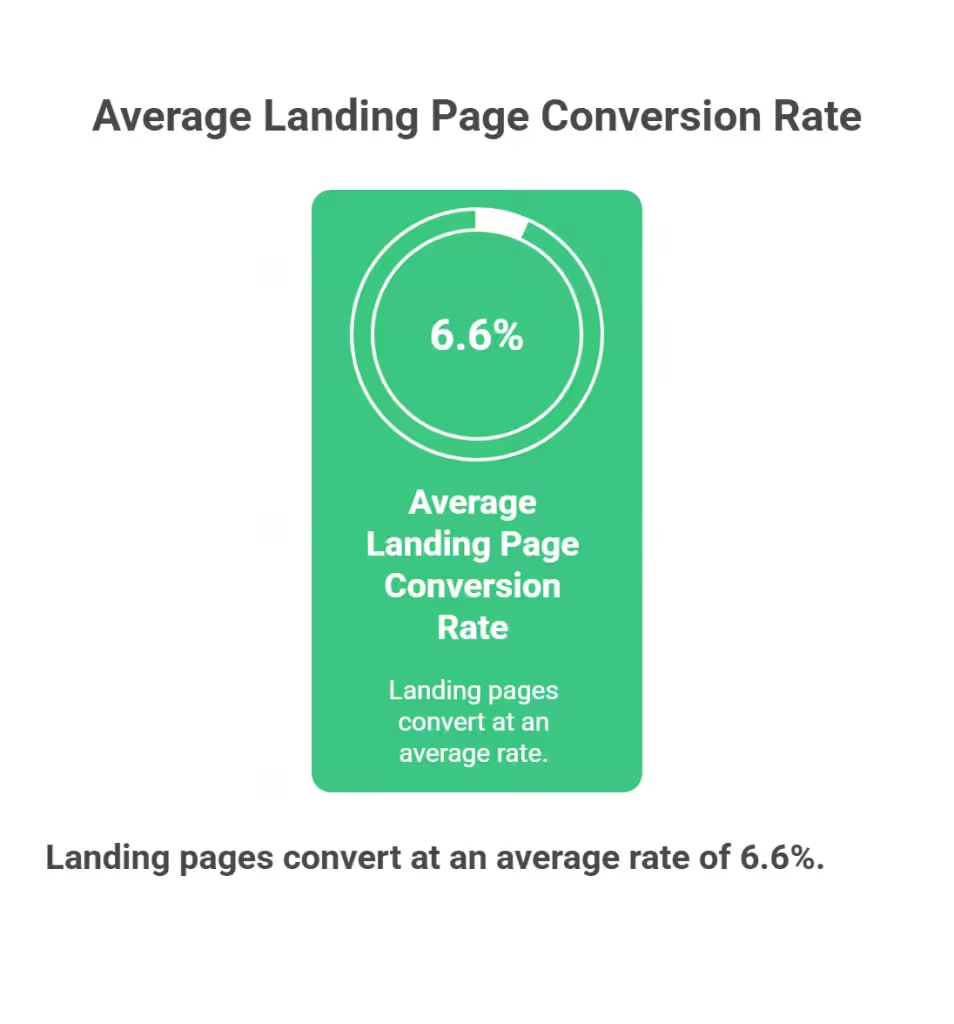
This means that out of every 100 people who visit a landing page, about 6 or 7 people take action.
That action could be signing up, buying something, or filling a form. It may sound small, but it’s normal.
Landing pages are not magic. Most visitors will look and leave. The goal is not to convert everyone, but to convert the right people.
If your landing page converts at 6.6%, it’s doing okay. Anything higher means your message, design, and offer are working better than average.
B2B landing pages convert higher, with an average rate of 13.28%
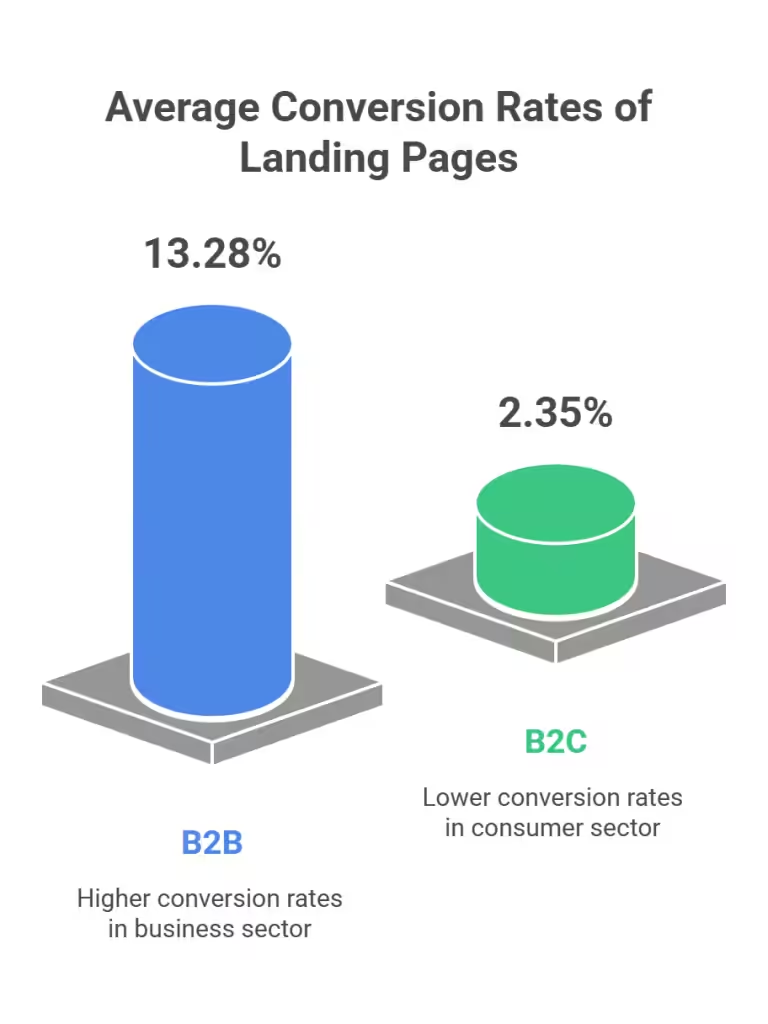
B2B means businesses selling to other businesses.
This higher number means business visitors are more serious.
When someone visits a B2B landing page, they usually already have a problem and are looking for a solution. They are not just browsing. That’s why about 13 out of 100 visitors convert.
B2B landing pages also focus more on clear value, proof, and results, not emotions.
If you sell tools or services to businesses, a well-made landing page can convert much better than normal consumer pages.
Long-form landing pages generate 220% more leads than above-the-fold CTAs
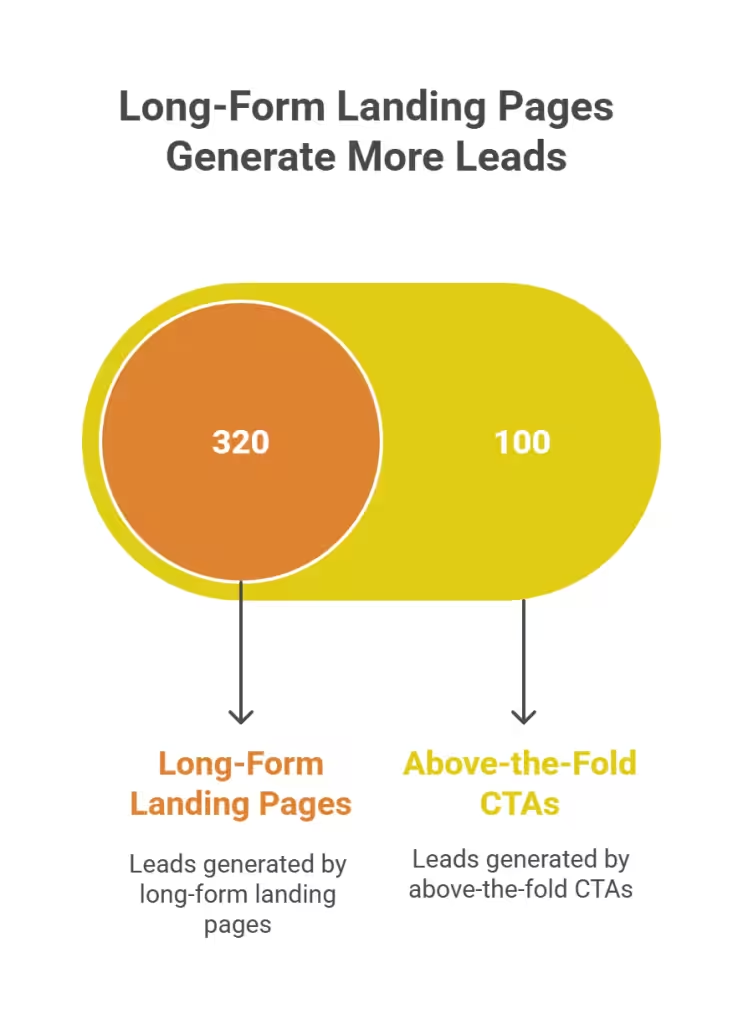
This means long landing pages work better than short ones.
A long landing page explains the offer clearly, answers questions, shows proof, and removes doubt.
Instead of rushing people to click, it walks them through the decision.
Above-the-fold CTAs ask people to act too fast. Most visitors are not ready yet.
A long landing page gives them reasons to trust you. That’s why it can bring more than double the leads.
Long does not mean boring. It means clear, helpful, and focused on one goal.
Landing pages with videos can increase conversions by 80%
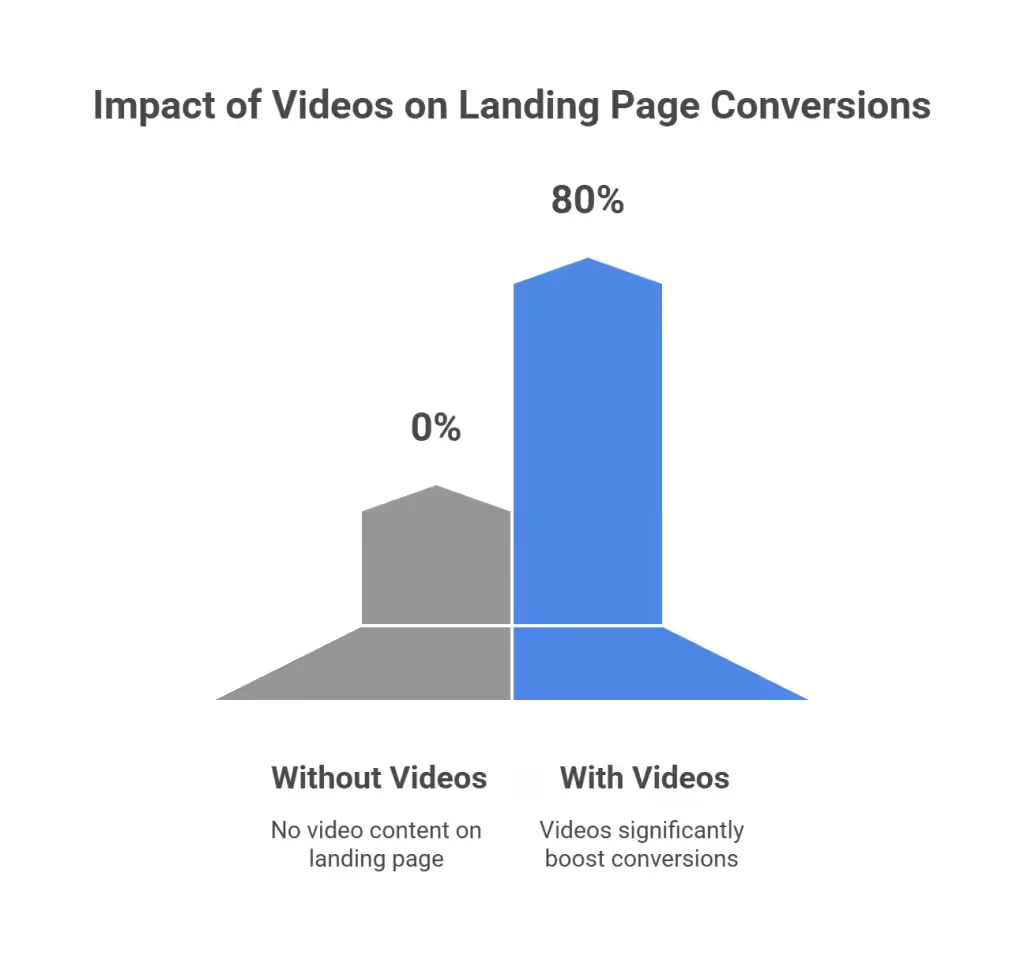
People like watching more than reading.
A video on a landing page helps explain things faster. It shows how the product works, who it’s for, and why it matters.
Some people don’t want to scroll or read long text. A simple video solves that.
When visitors understand your offer quickly, they feel more confident to take action. That’s why videos can increase conversions by up to 80%.
The video doesn’t need to be fancy. Clear sound, simple message, and one goal is enough.
Adding social proof below a landing page CTA boosts conversions by 68%
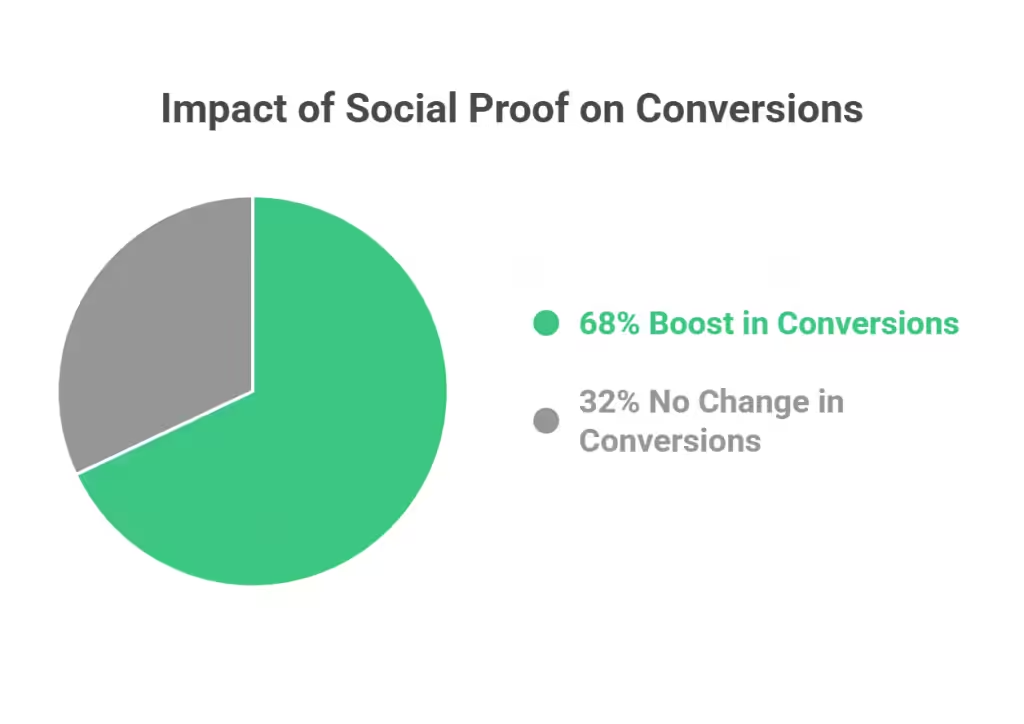
Social proof means reviews, testimonials, logos, or real results. When people see others have used your product, they feel safer.
Placing social proof under the CTA button works well because visitors often hesitate before clicking. That small doubt is normal.
Seeing proof right there answers the question: “Can I trust this?” When trust goes up, clicks go up. That’s why conversions can increase by 68%.
Even one short testimonial or a few logos can make a big difference on a landing page.
Multiple offers on a single landing page can reduce conversions by 266%
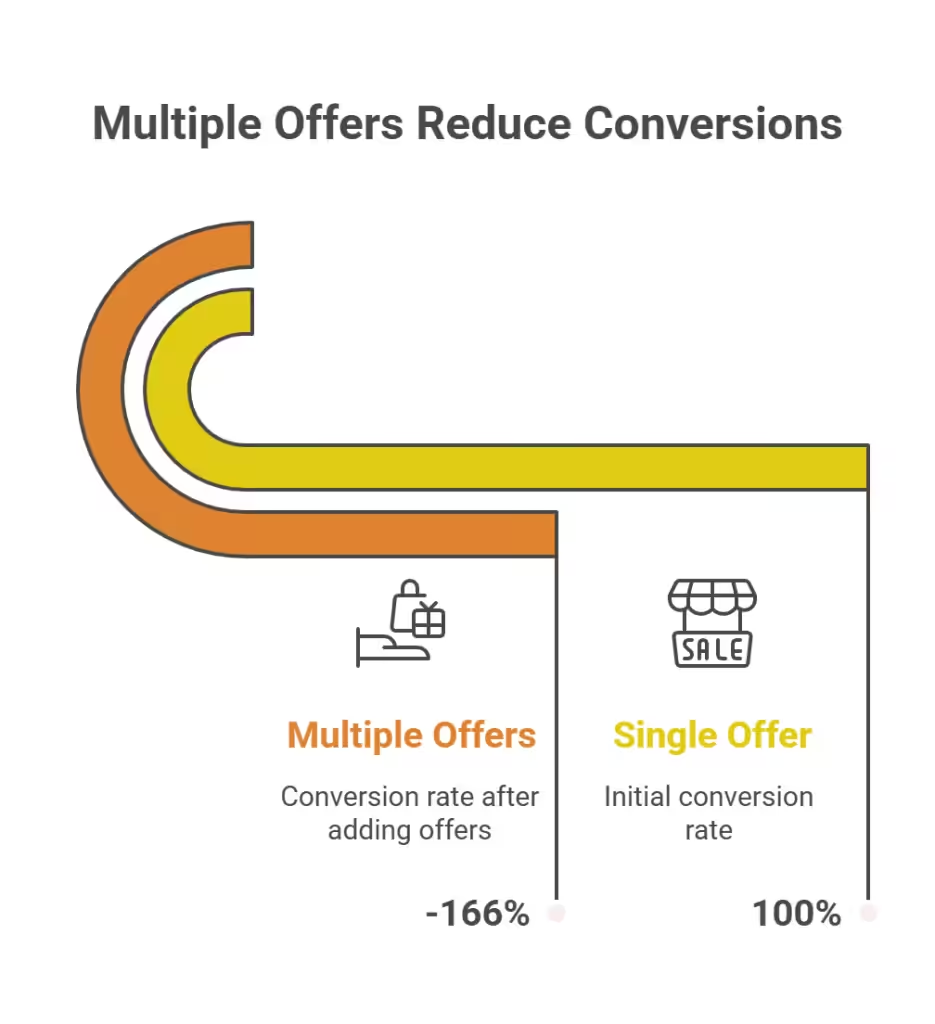
This means too many choices confuse people. A landing page should have one goal.
When visitors see many offers, they stop and think too much. Some leave without choosing anything. This is called decision stress.
Instead of helping, multiple offers hurt your results. That’s why conversions can drop badly.
A good landing page focuses on one problem, one solution, and one action.
If you have many offers, create separate landing pages. Simple always wins when it comes to landing pages.
The average landing page bounce rate falls between 60% and 90%
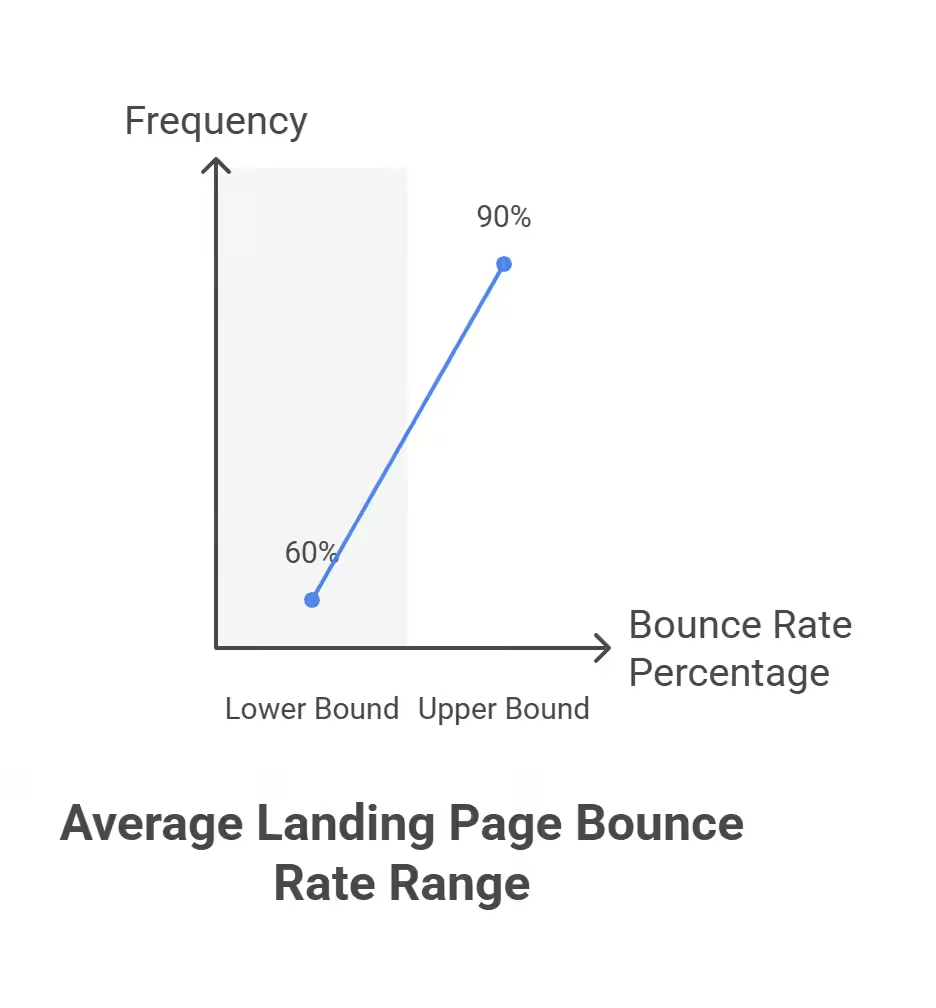
Bounce rate means people leave without doing anything.
On landing pages, this is common. Many visitors are not ready, not interested, or clicked by mistake.
A 60–90% bounce rate does not always mean your landing page is bad. But if it’s very high, something is wrong. It could be slow loading, unclear message, or weak offer.
The goal is not zero bounce rate. The goal is to make sure the people who should care stay long enough to convert.
70% of mobile landing pages take over 5 seconds to show above-the-fold content
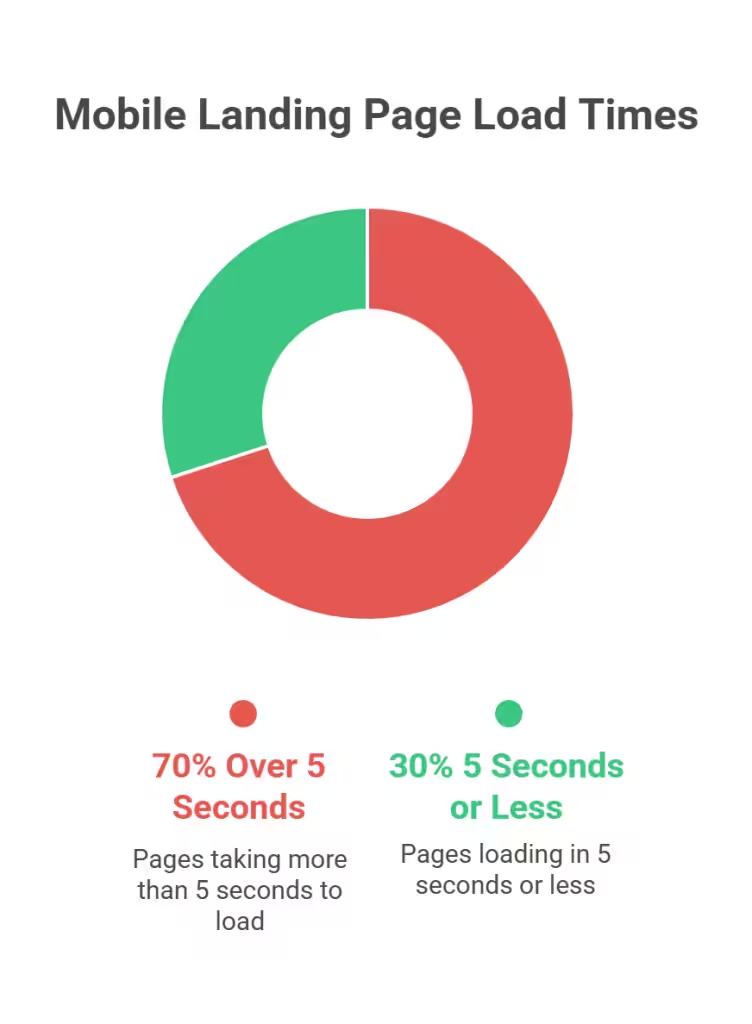
This means most mobile landing pages are too slow.
When a landing page takes more than 5 seconds to show content, people leave. Mobile users are impatient. Slow loading kills trust and conversions.
Even if your offer is good, people won’t wait. Speed is part of design.
Images that are too big, heavy videos, and poor setup cause this problem.
If your landing page is slow on mobile, you’re losing leads before they even see your message.
16% of landing pages remove navigation bars
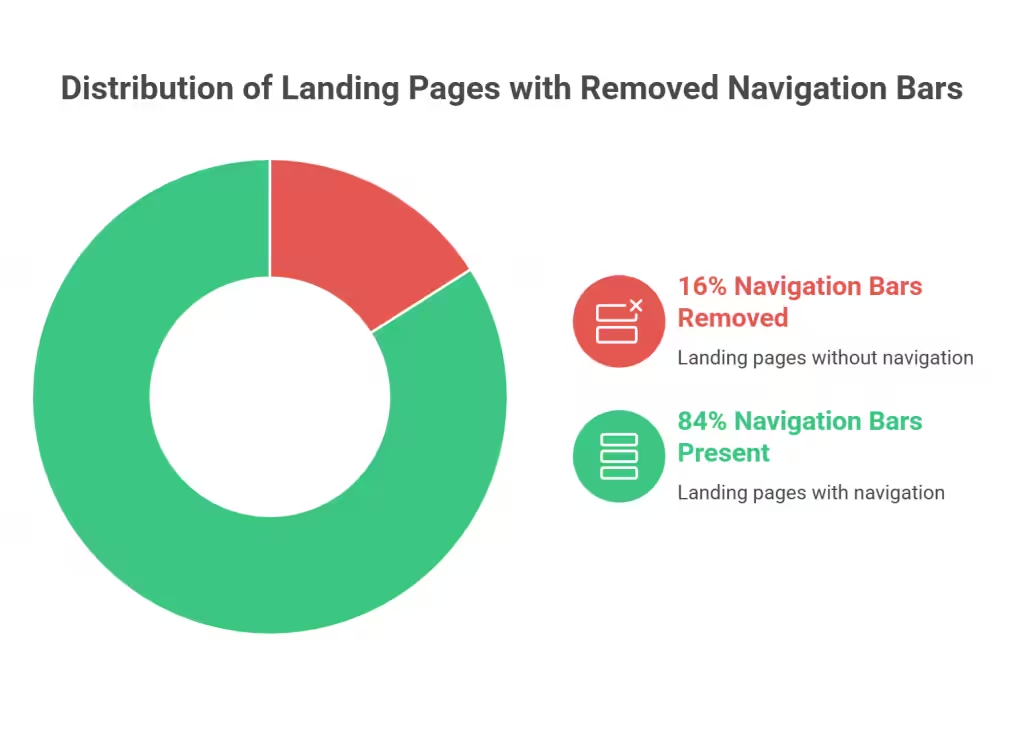
Navigation bars give people ways to leave. That’s the problem.
A landing page is not a normal website page. Its job is to guide visitors to one action.
When navigation links are present, people click away and get distracted. That’s why only a small number of landing pages remove them.
Many businesses still treat landing pages like homepages.
Removing navigation helps visitors focus. Less choice means more action. This simple change alone can improve landing page results a lot.
Removing navigation menus from landing pages can increase sign-ups by up to 100%
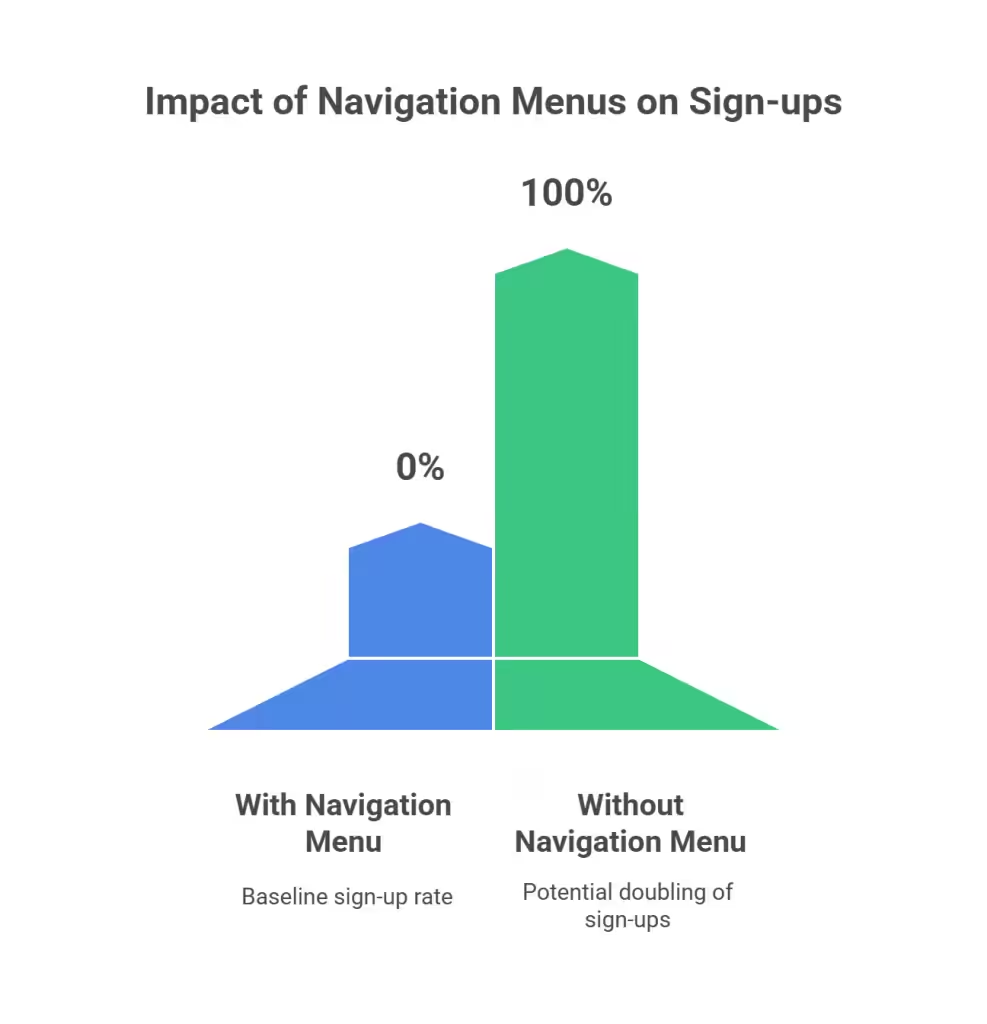
This means sign-ups can double just by removing menus.
When visitors have no extra links, they focus on the message and the CTA. They either take action or leave. There’s no middle ground.
This works because people don’t get lost. A landing page should feel like a straight road, not a crossroads.
If your goal is sign-ups, don’t give exits. Removing navigation is one of the easiest landing page improvements you can make.
Landing pages outperform other form formats, with an average sign-up rate of 6.47%
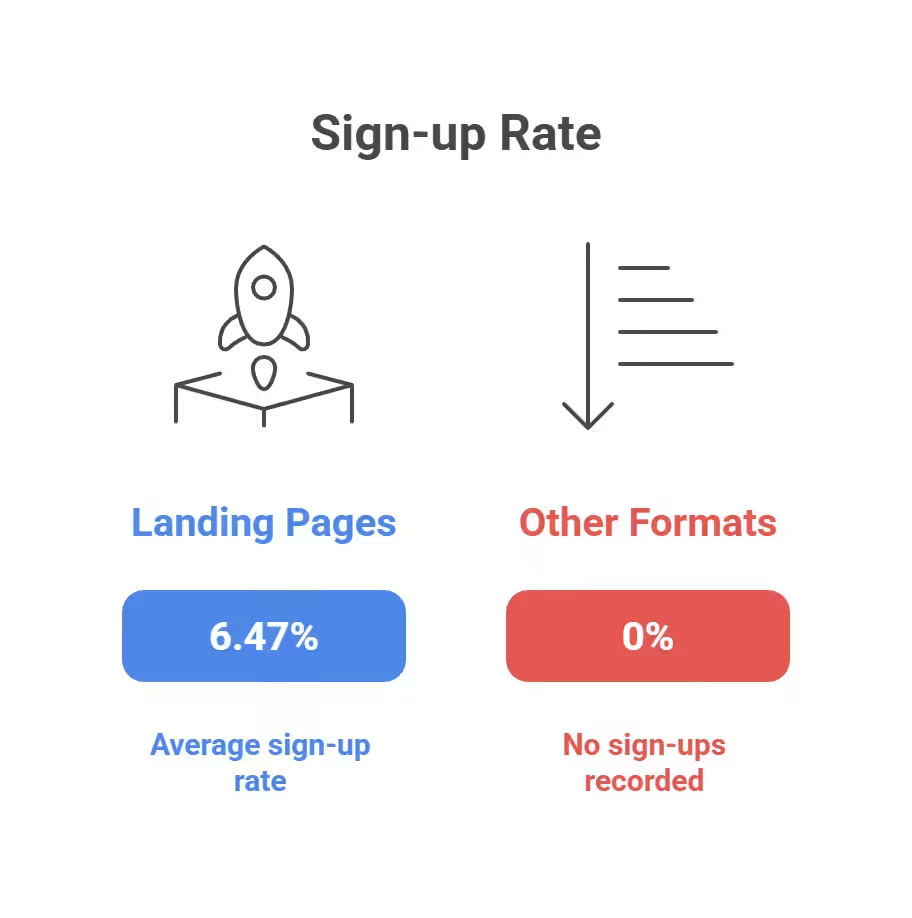
Compared to pop-ups or sidebar forms, landing pages perform better.
This is because landing pages are built around one clear message. The form matches the offer. Visitors know exactly what they’ll get. There’s no confusion.
When people understand the value, they’re more willing to sign up.
A 6.47% signup rate means landing pages are still one of the best tools for collecting leads. They work because they respect the visitor’s attention and time.
54% of B2B marketers use landing page forms to collect leads and customer data
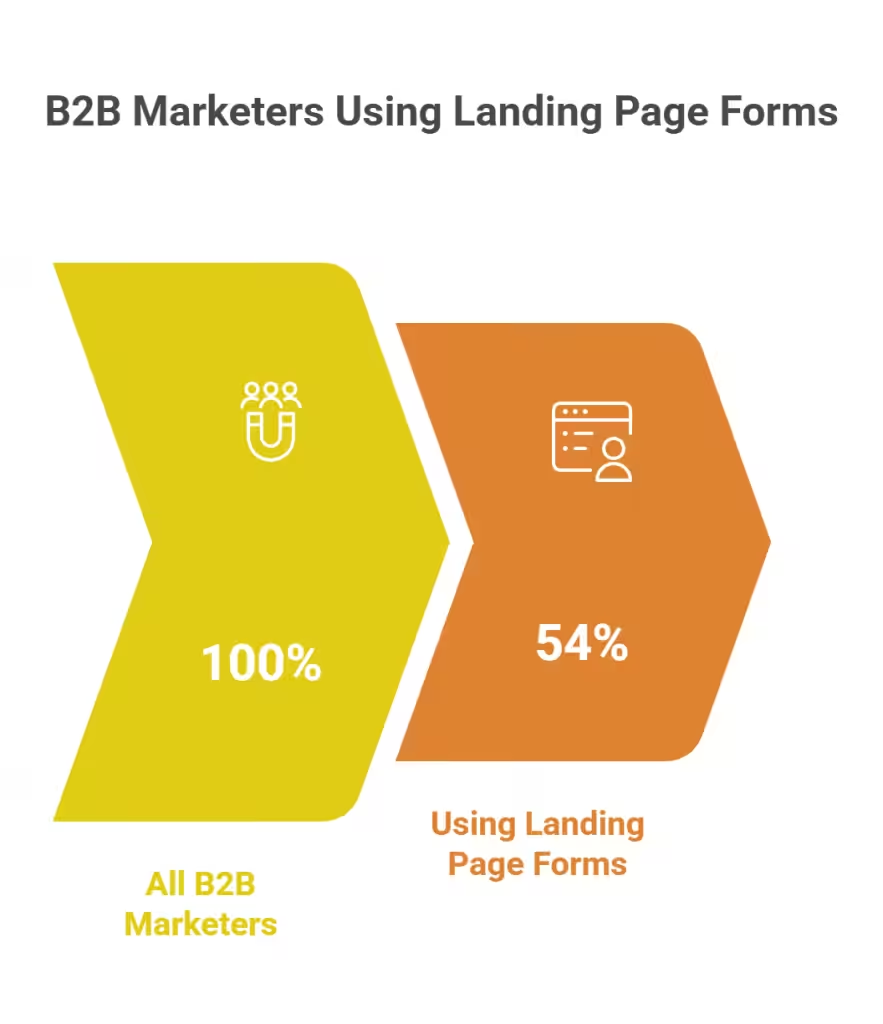
This shows landing pages are trusted by professionals.
More than half of B2B marketers rely on landing pages to collect emails and leads. They use them for demos, downloads, trials, and calls.
This is because landing pages are easy to test, track, and improve. You can change the headline, CTA, or form and see what works.
If many experienced marketers use landing pages, it’s because they work consistently when done right.
Businesses with 10–15 landing pages see 55% more conversions than those with fewer than 10
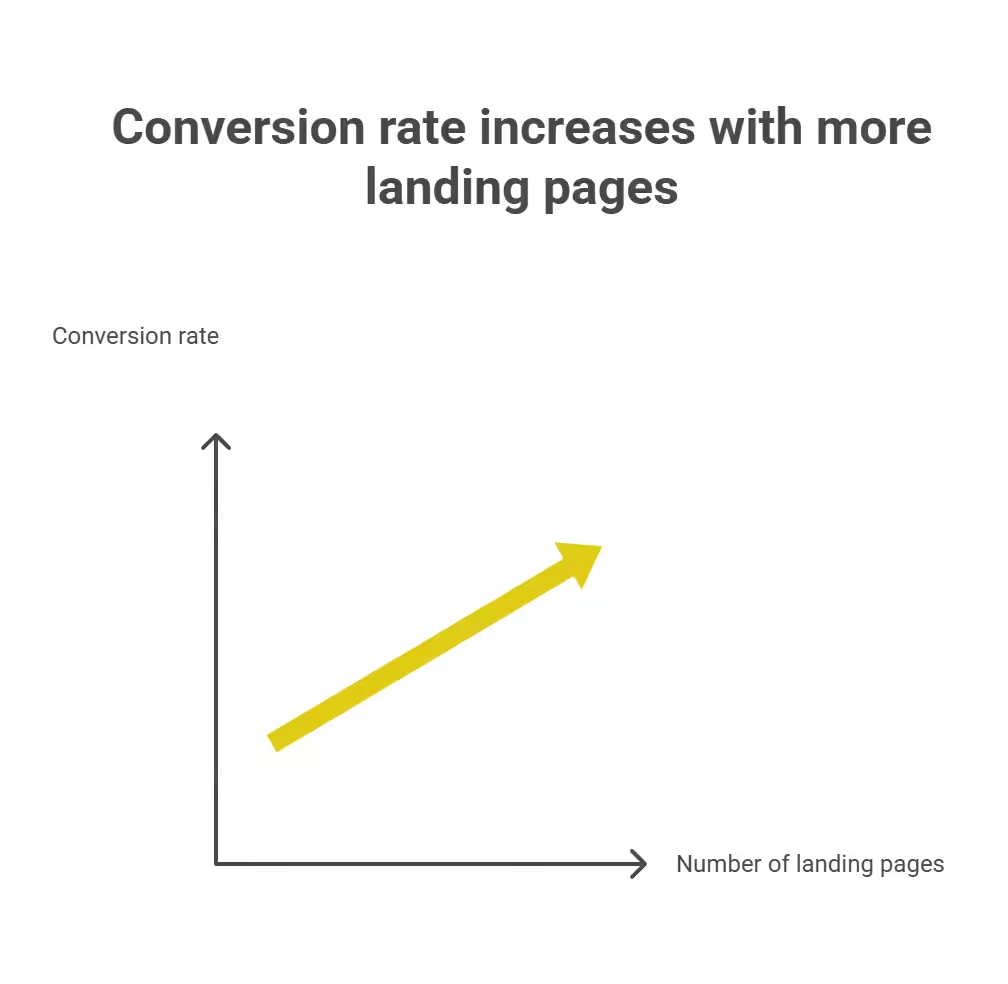
Having more landing pages means you can target different audiences and offers.
One landing page cannot speak to everyone. Businesses with 10–15 landing pages can match the message to the visitor’s need. That’s why they get more conversions.
It’s not about quantity alone. It’s about relevance.
Each landing page solves a specific problem. More focused pages mean better results. This is why businesses that invest in multiple landing pages grow faster.
62% of B2B companies using landing pages have six or fewer live landing pages
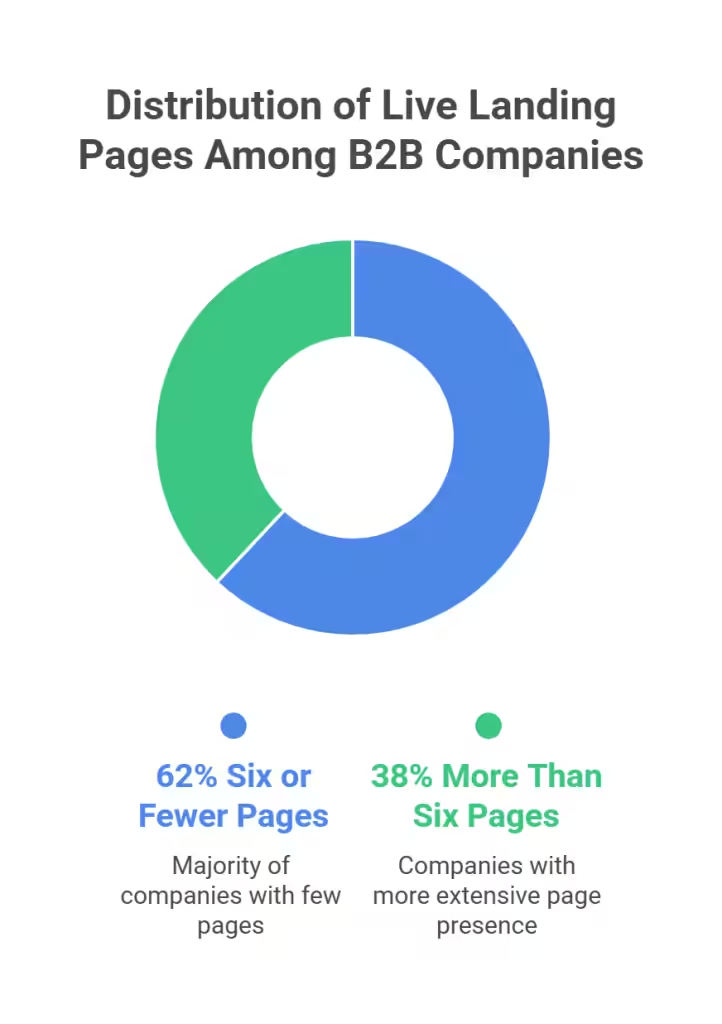
This means most businesses are not using landing pages fully. They rely on a few pages and expect big results.
This creates an opportunity.
If your competitors have few landing pages, creating more focused ones gives you an edge.
More pages mean more chances to convert traffic.
Many businesses leave money on the table because they don’t build enough landing pages for their offers.
The landing page builder market is projected to grow at a 14.3% CAGR from 2022 to 2032
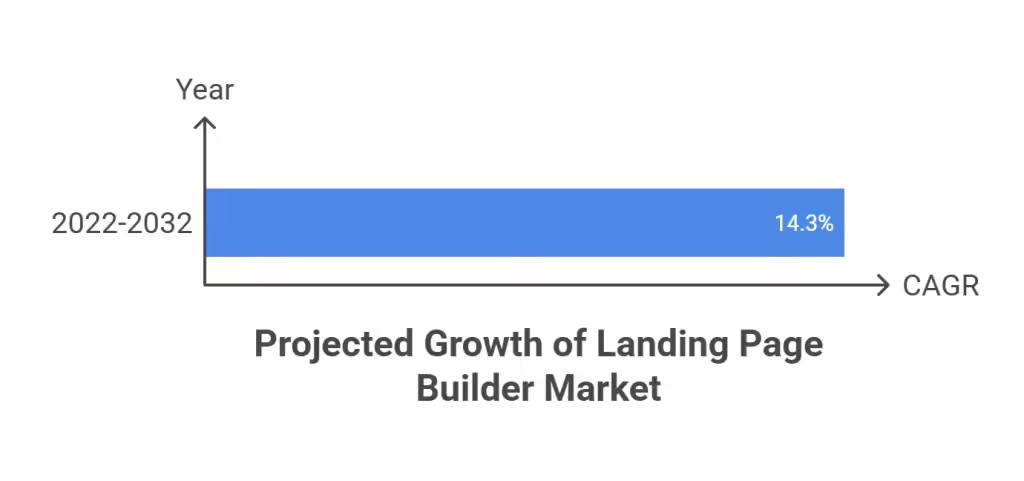
A 14.3% growth rate means demand is rising every year.
More businesses want landing pages. More tools are being built to make them easier.
This shows landing pages are not a trend. They are a core part of online marketing.
As competition grows online, businesses need better pages to convert traffic. That’s why landing page builders are growing fast. It’s a sign that landing pages will remain important for a long time.
Wrapping up
If there’s one clear lesson from these landing page statistics, it’s this:
Small page choices create big results. Speed, focus, proof, and clarity all matter more than most people think.
But knowing the numbers is only step one. Using them the right way is what drives real leads and sales.
That’s where Block Agency comes in.
We design high-converting landing pages and websites for agencies as white-label partners.
If you want landing pages that actually convert, not just look good, let’s build them for you.
Talk to us here: hey@blockagency.co
Frequently Asked Questions
What is a good landing page conversion rate?
A good landing page conversion rate is around 6.6%. Some pages perform higher, especially B2B landing pages. The goal is not perfection, but steady improvement based on clear data and testing.
How does social proof help landing pages?
Social proof builds trust on a landing page. Reviews, testimonials, and logos show that others have used the offer. This reduces doubt and helps visitors feel safe taking action, which can increase conversions.
How does page speed affect landing page results?
Slow landing pages lose visitors quickly. If a landing page takes more than a few seconds to load, people leave. Faster pages keep attention, lower bounce rates, and improve conversion rates, especially on mobile devices.
Do videos really help landing page conversions?
Yes. Videos help explain offers faster and more clearly. Many visitors prefer watching over reading. A simple video on a landing page can increase understanding, trust, and conversions when it focuses on one clear message.
How many landing pages should a business have?
Businesses should have multiple landing pages for different offers and audiences. Companies with 10 to 15 landing pages often get more conversions because each page targets a specific need or goal.