Here’s something most people don’t think about when they open an online store:
When someone lands on your product page, they can’t touch what you’re selling. They can’t hold it, try it on, smell it, or test it. All they have is your words.
And those words are doing a lot of work.
87% of shoppers say product content is the number one reason they decide to buy online.
Yet nearly half of the top 100 (48%) retailers in the US have product descriptions that are incomplete or just not helpful.
That’s money sitting on the table, ignored. Here’s the good news:
Writing a great product description doesn’t require any special skill. It just requires you to think like a buyer, not a seller.
These seven tips will show you how to write a product description.
In this article
How to write a product description that sells (with examples)
1. Lead with the benefits, not the features
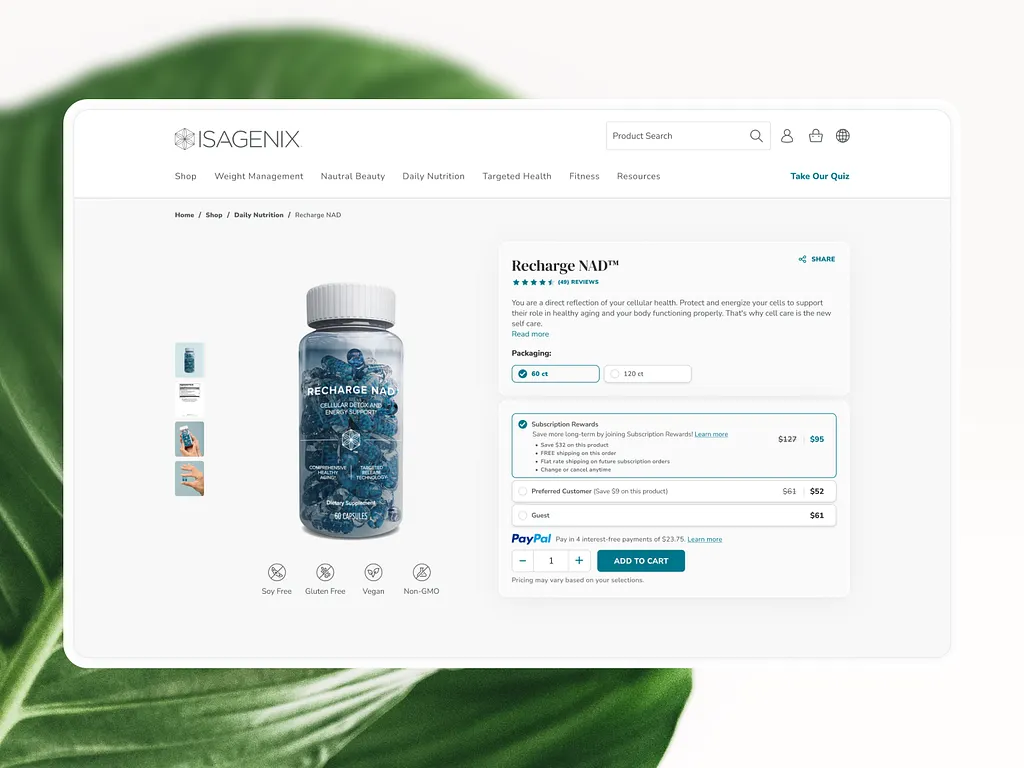
Most product descriptions read like instruction manuals.
They list specs, measurements, and materials. That’s not wrong… but it’s not what makes someone buy.
People don’t buy products. They buy results. They buy the feeling they’ll get after using it.
So before you describe what something is, ask yourself: what will this do for the person buying it?
Take shoes for examples.
You could write: “Memory foam insoles, 3mm thick cushioning layer.”
That’s a spec. It tells me what’s inside the shoe. But it doesn’t make me feel anything.
Now try this: “Your feet still feel fresh at 6 PM, not just 6 AM.”
Same feature. Completely different effect. Now I can picture my day. I can feel the relief. I want that.
A simple trick: take every feature you’ve written and ask “so what?”
- “Waterproof” → so what? → “You can walk in the rain without a second thought.”
- “Long battery life” → so what? → “You won’t be hunting for a charger halfway through your day.”
Keep going until you land on the thing the buyer actually cares about.
2. Write to one specific person, not the whole world

This is the mistake almost everyone makes when they’re starting out.
They try to write for everybody. They keep it broad so no one feels left out. But here’s the problem:
When you write for everyone, nobody feels like you’re talking to them.
Think about it this way. If a friend texted you saying “hey, this is a great product for anyone who likes coffee”… you’d think nothing of it.
But if they said “this is for you, you’re exactly the person who needs this”… you’d pay attention.
That’s what a specific description does.
Compare these two:
- Weak: “Great for anyone who loves coffee.”
- Strong: “For the espresso purist who notices when the grind is even 2 clicks off.”
The second one speaks directly to a real person. If that’s you, you stop scrolling. You lean in. You think: this brand gets me.
Before you write anything, ask yourself: who is this actually for? Not in a vague way.
Get specific. A tired worker? A first-time runner? A mum who needs something quick and reliable?
Then write like you’re talking directly to that one person.
3. Use words that people can picture and feel
Online shopping is imagination. If you can’t help someone picture your product in their life, they move on.
Vague words like “amazing,” “premium,” and “high-quality” don’t do anything. Everyone uses them. They mean nothing.
What your reader’s brain needs is something real and specific. Something it can grab onto.
Here’s the difference:
- Weak: “A delicious, high-quality chocolate bar.”
- Strong: “A slow-melting 72% dark chocolate with a clean snap and notes of dried cherry.”
The second one puts the chocolate in your mouth. You can hear the snap. You can taste it. That’s what you’re going for.
This works because of how the brain processes information.
Research from London Business School found that people remember 65–70% of information when it’s delivered through story… but only 5–10% of plain facts.
The more real and specific you make it, the more it sticks.
Think about the senses:
- Touch (soft, warm, smooth)
- Taste (bitter, creamy, sharp)
- Sound (quiet, crisp)
- Smell (clean, earthy)
- Sight (glossy, deep, matte)
Use at least one of these in every description you write.
4. Address objections before they arise
Every buyer has a small voice in their head asking: “But what if it doesn’t work for me?”
If your description doesn’t answer that voice, the buyer won’t reach out and ask. They’ll just leave.
The fix is simple: think like a skeptic. Ask yourself, “why would someone NOT buy this?”
Then answer that inside your description.
A classic example is Zalora an Asian retailer.
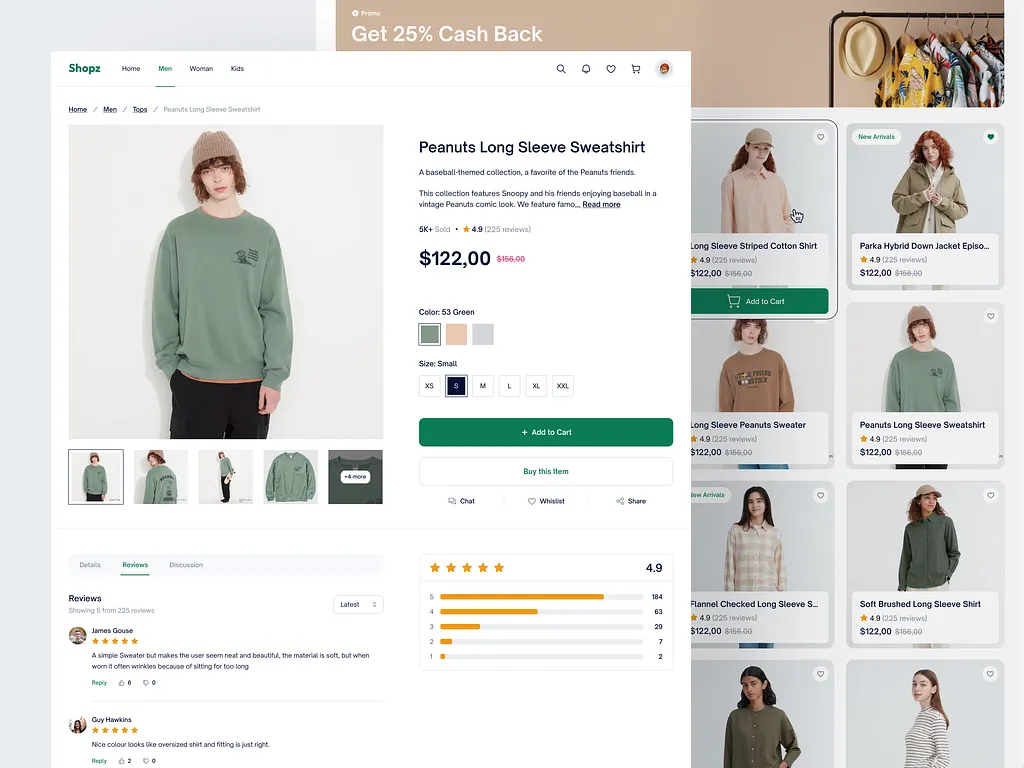
Zalora simply moved its return policy information to be more prominent on product pages… shifting the “Free” label to the left side and adding “& Free Returns” next to the price. This single change increased checkout rates by 12.3%.
Shoe brand Clarks ran an A/B test making their free shipping offer more visible on product pages. The more prominent version led to a 2.6% increase in conversion rates, generating an additional £2.8 million in annual revenue.
You don’t need to rewrite your whole page. You just need to find the one doubt your buyer is carrying and address it head-on.
5. Match tone to brand voice
Here’s something most people overlook:
The way you say something is part of what you’re selling.
If someone is looking at a £300 fountain pen and your description says “a fun pen for everyday use”… they’re gone.
That sounds like a £5 pen from a stationery shop. The tone doesn’t match the product.
But write “crafted from precious resin, weighted for the deliberate writer”… and suddenly the pen feels worth £300.
The same works the other way. A playful, casual brand that starts writing like a legal document loses its personality immediately. People don’t trust a brand that sounds different from how it looks.
A simple rule of thumb:
- Everyday or budget product → keep it direct, clear, and friendly
- Luxury product → calm, considered, precise
- Fun or playful brand → light, warm, a little cheeky
Read your description out loud. If it sounds stiff, robotic, or like it was copied from another brand; start again.
It should sound like a person you’d want to buy from.
6. Use the words your buyers actually type into Google
This one is simpler than it sounds, and it matters more than most people realise.
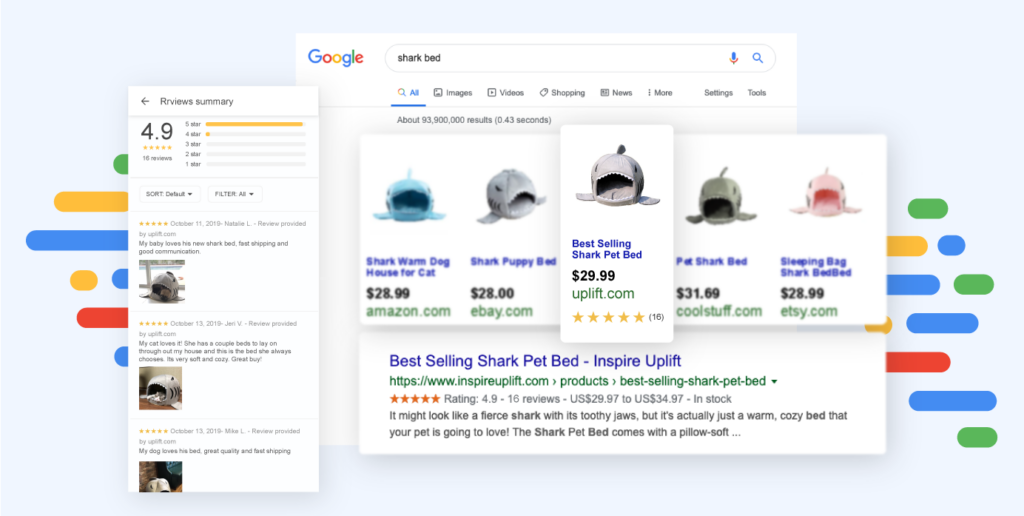
About 33% of all ecommerce traffic comes from search engines. That means one in every three potential customers finds a product by typing something into Google.
If your description doesn’t contain the words they’re searching for, you’re invisible to them.
The good news: you don’t need to be an SEO expert. You just need to think like a buyer.
Nobody types “premium athletic footwear” into Google. They type “running shoes for wide feet” or “lightweight trainers for beginners.”
Those are the words you want in your description.
An ecommerce store rewrote product and category page descriptions with clear keyword-rich copy.
By revamping individual product and category pages with concise descriptions rich in relevant keywords, and pairing this with a blog and link-building strategy, the site saw a 299% increase in sales within four months.
Simple phrases to weave in naturally: “for beginners,” “machine washable,” “for wide feet,” “lightweight,” “works with sensitive skin.”
These match how real people search, and they feel natural to read too.
7. Give them a reason to buy now, not later
Even if someone loves your product, they can still close the tab and tell themselves “I’ll come back to it later.” Most of the time, they don’t.
Your job at the end of a description is to give them one small nudge that makes now feel like the right time.
Compare:
- Weak: “Add to cart.”
- Strong: “Join 40,000 runners who switched. Order before 2 PM for same-day shipping.”
The second version gives three things: proof that others trust it, a small urgency, and a clear next step.
You don’t need fake urgency or pushy language. Just be honest and specific.
How many people use this? Is there a shipping cutoff? Is stock limited?
If any of those are true, say so clearly.
Wrapping up
Writing a great product description takes practice. But now you know exactly what to do.
- Lead with benefits.
- Speak to one person.
- Use real, sensory words.
- Answer doubts before they come up.
- Match your tone.
- Use the words buyers search for.
- And always end with a nudge.
Do those seven things, and your words will do the selling for you.
Not sure where to start?
Block Agency helps businesses write product descriptions that turn visitors into buyers… and builds the websites that show them off.
Let’s talk here: hey@blockagency.co
Frequently asked questions
What is a product description?
A product description is the written section on a product page that explains what the product is, what it does, and why it is useful. For example, a shoe description should explain comfort, fit, and when to wear it, not just list size and material.
Why is a product description important for sales?
A product description helps buyers decide quickly. It answers questions like size, use, and value. When details are clear, people feel safe to buy. When details are missing, many leave the page without buying or return the product later.
What should be included in a product description?
Include the main benefit, key features, who the product is for, and clear details like size, material, and use. For example, a backpack description should mention capacity, comfort for long use, and who it fits, like students or travelers.
How long should a product description be for ecommerce?
A product description should be long enough to answer key questions but short enough to scan easily. Around 100 to 300 words works for most products. Break text into short lines so buyers can quickly find the information they need.